Common Pitfalls When Becoming a Reseller Online
We are witnessing the gold rush of the internet age, and you’re not mistaken for jumping aboard. An online reselling venture is one of the cheapest and most exciting ways to generate a new stream of revenue, especially in South Africa. E-commerce is actually exploding in our country, with incredible year-on-year growth. The figures don’t lie. Latest industry figures show South Africa’s online buying market is still expanding quickly, which suggests there is more consumer confidence in South African online buying than ever before. That creates opportunities for new players, new concepts, and new products in the market. Here is more of this positive trend and how our local online environment is evolving: The State Of E-Commerce In South Africa.
But, and this is the bare reality, setting up an online business is not all roses. Eish, if it were so simple, everyone would be a millionaire by now.
I’ve been in and around the South African e-commerce cycle for over a decade, and I’ve seen many eager entrepreneurs fall victim to simple, but easily avoided, mistakes. They hit brick walls that can turn a good business concept into a bureaucratic nightmare. The difference between success and failure often comes down to recognising these stumbling blocks beforehand and putting the right systems in place.
Let’s explore the most common and most costly mistakes local resellers have, and how you can avoid them. This is a must-read before you open your store.
The Logistics Maze: Priced Out of Market
The instant your customer hits “Buy Now,” the real challenge begins: Order Fulfilment.
The Secret Shipping Cost of South Africa
When we talk about reselling online in South Africa, we are talking about geography. It is a huge country. The initial major mistake new resellers make is to understate the cost and inconvenience of shipping. They quote national courier prices based on one zone or rough average, only to find out it is a small fortune to ship a package from Johannesburg to a smaller town in the Western Cape or Limpopo.
Leaving out volumetric weight and backhaul surcharges will evaporate your whole margin in seconds. You might think you have a stunning margin, but the odd R150 delivery surcharge is enough to turn a profitable R100 sale into an R50 loss. This especially applies to people with a non-integrated or non-optimised Logistics Network that is not delivering national reach. You need a solution that gives you national coverage without breaking the bank.
Finding a good courier partner is also not an easy job. When your products take a long time to reach your customers or get damaged, your brand suffers a great setback. In our company, reliability is cash, and a bad delivery or sluggish partner can kill your business faster than the old stock. A smooth Logistics Network is essential in order to succeed.
For greater analysis of the condition of the local delivery market and why it is important to get the right courier, read this market analysis: South Africa Courier, Express, and Parcel (CEP) Market Size & Share Analysis.
Legal Liabilities: Being Caught Short by CPA and POPIA
Most new resellers use their website as a pastime and ignore the serious legal prerequisites of selling to the South African shopper.
Overlooking the Consumer Protection Act (CPA)
The CPA has strong rights for South African consumers, and you, being a reseller, are bound to uphold them. One of the major traps is not knowing the right to return goods and the famous cooling-off period.
When selling products online, consumers have the right to return them within a time limit if they were bought directly from them, even if there’s nothing wrong with the item. Lack of a clearly defined, compliant returns and refund policy is a big risk. In the event that the product you’re selling proves to be defective, the CPA grants the consumer a six-month implied warranty to demand a repair, replacement, or refund, whichever they choose. Shame, also many resellers try to tell the consumer they can only get a store credit. This is illegal. You should know your obligations, or else a single consumer complaint will land you in trouble.
You can acquaint yourself with the fundamentals of the CPA here so that your policies are in place: Consumer Protection Act | CPA South Africa.

Security and Privacy Compliance
Dealing with customer details and payment involves you having to comply with the Protection of Personal Information Act (POPIA). It sets out how you must collect, use, and keep an email address, a delivery address of a customer, and so forth.
Accepting payment via uncertified payment gateways is an enormous no-no. You can’t simply collect card data and expect to be compliant. You need to know your payment processor is certified (i.e., PCI DSS Level 1) and your site is considering your users’ privacy. A data leak is one of the quickest ways of losing customer trust and forking over big fines. Protect your customers, and you protect your business.
Ensure you choose a payment gateway that directs the complex compliance headaches for you: How to choose a payment gateway in South Africa.
Stock and Cash Flow: The Inventory Maze
A reseller’s life is a stock-surrounded world, and screwing it up is probably the most common business-ruining blunder of them all. That is where most SA e-commerce startups go wrong.
The Problem of Dead Stock
When you buy stock upfront, you’re already risking not selling it. That’s called dead stock. That amazing product that everybody bought overseas could be sitting on your shelf over here. You’ve put your capital into a product sitting idle, so you can’t put that capital back into products that will sell, or into your advertising. That is a monumental, huge mistake in growing a company.
The Financial Cost of Buying in Bulk
The investment that must be incurred to buy inventory, rent warehouse space (even a small garage), and hold the inventory can be staggering. This financial pressure puts resellers in a position where they don’t have enough inventory to sell, or they take on bad debt.
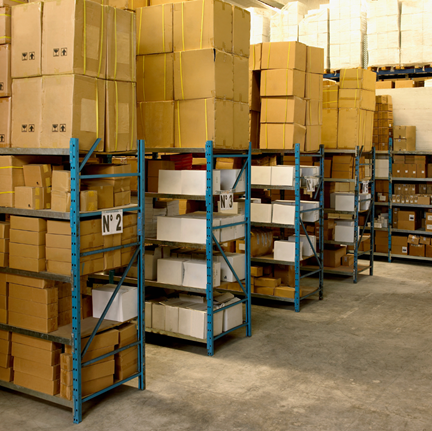
An effective Inventory Management solution is the only solution to that. You just need to be able to see what’s selling, what you need to restock, and what your supplier has in stock. Not having Koop-It Integration is typically the problem here, a break in the chain from your shop, supplier, and books.
It is also interesting to note that, as a business, even a small business, you do bear some tax obligations. Comply from day one by finding out what is expected of small businesses: Small Businesses – Taxpayers | South African Revenue Service – SARS.
The Solution: A System Designed for South African Resellers
All the above traps, expensive and cumbersome shipping, legal compliance, and the cash flow squeeze on inventory are pointing to a shared root problem: trying to control too many variables with your own hand.
The traditional path for a reseller is a challenging one: deal with several suppliers, wrestle with their varying levels of stock, negotiate with various courier services, and worry about payment security and CPA adherence. It is a task before you have even sold anything.
A specialist reseller platform really does alter this.
Ready to avoid these traps and start reselling smarter?
Start Your Koop-It Journey
We understand that navigating the compliance and logistical intricacies of South African e-commerce does not have to be daunting, and it won’t be with Koop-It. To learn how Koop-It can help your business gain a competitive edge with an easy-to-use dropshipping solution, click here to see their reseller platform services and join up: Koop-It Reseller Platform.
